
Why 9 out of 10 modern men would fail a 1950’s testosterone test
Brett Nethell
Article · · 10 min read
Many 20-year-olds today have the same testosterone levels as 70-year-olds in the 1970s. Men in the 1940s-50s regularly tested at 800 ng/dL. Today, many sit at just 300 ng/dL, barely above clinical deficiency.
Research across the U.S., Europe, and beyond confirms average testosterone levels have been declining for decades. This isn't normal. And it's not genetic.
The testosterone crisis results from multiple environmental, dietary, and lifestyle factors that have fundamentally changed how men live. Each factor compounds the others, creating a hormonal environment actively hostile to male vitality.
1. Nutrient deficiencies
Your ancestors could get the same vitamin C from one orange that you'd need 12 to match today. The drive for maximum yield led to heavy pesticide use and synthetic fertilisers providing only nitrogen, phosphorus, and potassium, making plants grow big and fast, but nutritionally hollow.
Zinc content in vegetables has dropped 30-50% since the 1950s. Magnesium levels declined massively. These aren't minor nutrients, they're critical for testosterone production. Zinc is required for the enzyme converting cholesterol into testosterone. Magnesium regulates proteins that bind testosterone, keeping more bioavailable. Without adequate levels, your body can't manufacture testosterone efficiently.
Modern diets compound this void
Fast food, processed foods with preservatives, pasteurised grain fed dairy stripped of beneficial enzymes, and non organic produce covered in endocrine disrupting pesticides create a hormonal wasteland. The average man eats foods that are calorically dense but nutritionally bankrupt.
When men switch to whole foods, particularly organ meats, wild-caught fish, and properly raised animal products, testosterone levels rise noticeably within weeks.
Then there's the decades-long war on cholesterol, saturated fat, red meat, and eggs. These foods were demonised based on flawed science, and testosterone levels tanked. Why? Because cholesterol is literally the building block of testosterone.
Your body converts cholesterol into pregnenolone, then DHEA, and finally testosterone. Cut cholesterol from your diet, and you're cutting off the raw material your body needs. The low-fat diet craze was castrating men at a population level.
Red meat, organ meats, raw dairy, and eggs aren't just foods, they're hormonal optimisation in edible form, packed with cholesterol, saturated fat, zinc, B vitamins, and fat-soluble vitamins that your endocrine system needs to function.

2. Seed oils
Before 1900, seed oils didn't exist in the human diet. Cottonseed oil was first developed as machine lubricant and later marketed as a cheap alternative to animal fats. By the 1960s, the medical establishment declared saturated fat the enemy and polyunsaturated fats the saviour based on flawed studies and industry lobbying. Today, corn oil, soybean oil, canola oil, and vegetable oil are in everything.
Why polyunsaturated fats destroy testosterone
Polyunsaturated fatty acids (PUFAs) are highly unstable. They oxidise easily when exposed to heat, light, and oxygen, meaning they're already damaged by extraction, processing, and cooking. This oxidative stress triggers inflammation that suppresses testosterone production.
PUFAs are incorporated into the membranes of your Leydig cells, the specialised cells in your testicles that produce testosterone. When these membranes are made of unstable fats, the cells can't function optimally. Studies show high PUFA intake directly correlates with lower testosterone production.
Additionally, linoleic acid in seed oils increases aromatase activity, the enzyme converting testosterone into estrogen. More seed oils means more testosterone converts to estrogen. This is why men consuming high amounts of seed oils experience not just lower testosterone, but increased body fat, particularly around chest and midsection, gynecomastia in extreme cases, and reduced libido.
Cut out seed oils completely. Return to fats that humans evolved eating: saturated and monounsaturated fats. Extra virgin olive oil has been shown to raise testosterone up to 17%. Butter, tallow, coconut oil, and other animal fats provide stable fats that don't oxidise easily and supply raw materials for healthy hormone production without inflammatory cascade.

3. Endocrine disruptors
The modern environment is an endocrine nightmare. We're surrounded by synthetic chemicals that specifically interfere with testosterone production through several mechanisms:
- Xenoestrogens are chemicals that mimic estrogen. BPA in plastics, phthalates in fragrances and soft plastics, parabens in personal care products, and pesticides all act as xenoestrogens. When your body has too much estrogen, it down-regulates testosterone production based on false signals from synthetic chemicals.
- Aromatase activation increases the enzyme that converts testosterone into estrogen. This means you're producing less testosterone, and what you do produce is being actively converted into estrogen, a double hit.
- Leydig cell damage occurs when heavy metals like lead and cadmium, pesticides, and industrial chemicals accumulate in testicular tissue and reduce cells' ability to function. This damage can be cumulative and permanent.
- Hypothalamic-pituitary disruption happens when chemicals interfere with signalling between your brain and testicles, essentially breaking the communication system regulating your entire hormonal axis.
The exposure is constant and cumulative...
- Clothing Polyester and synthetic fabrics contain phthalates that absorb through skin, especially in the groin where heat and moisture increase absorption. Tight synthetic underwear keeps testicles too warm while exposing them to hormone-disrupting chemicals, studies show that men who wear polyester underwear lowered testosterone levels.
- Home products Scented candles, air fresheners, and cleaning products release phthalates and synthetic fragrances into the air you breathe constantly.
- Personal care Deodorants, colognes, shampoos, and body washes are loaded with parabens and phthalates. Your skin absorbs these directly into your bloodstream.
- Water Tap water contains chlorine, fluoride, pharmaceutical residues including synthetic estrogens from birth control, pesticide runoff, and heavy metals.
- EMFs Non-native electromagnetic fields from WiFi, mobile phones, and 5G may impact testosterone through oxidative stress. Studies on mobile phone radiation show decreased sperm quality and testosterone in men who carry phones in their pockets.
The solution is systematic reduction. Switch to natural fibre clothing, cotton, linen, wool, especially underwear or ditch underwear all together. Use simple ingredient soaps. Replace scented candles with beeswax. Install a quality water filter. Keep your phone away from your body and limit WiFi exposure.

4. The wrong kind of cardio
Long-duration cardio has dominated fitness culture for decades, but it doesn't build testosterone, it can actively suppress it.
During prolonged endurance exercise, your body enters a catabolic state. Cortisol rises and stays elevated for hours. Chronic cortisol elevation directly suppresses testosterone production, your body can't maintain high levels of both simultaneously. Studies on marathon runners and cyclists consistently show lower testosterone compared to sprinters and strength athletes.
Your male ancestors didn't jog on treadmills. Their movement was varied, intense, and purposeful...
- Chopping wood is a full-body explosive movement engaging your posterior chain, core, and shoulders in powerful, coordinated motion. Thirty minutes delivers more hormonal benefit than two hours of steady-state cardio.
- Hunting required hours of walking (low-intensity movement that doesn't spike cortisol) interspersed with sprints, carries, and physical demands of field dressing animals. This combination keeps cortisol manageable while creating acute stressors that boost testosterone.
- Lifting heavy objects was unavoidable, moving rocks, carrying water, building shelter, hauling game. Heavy compound movements like deadlifts, squats, overhead presses, and rows trigger the most significant testosterone response of any exercise type.
- Combat and wrestling trained from youth in most traditional societies combine explosive power, technical skill, and direct competition creating massive testosterone spikes.
- Sprinting was survival. Sprint training creates powerful anabolic stimulus without the cortisol damage of long-distance running.
You don't need to hunt your dinner, but you can replicate the hormonal stimulus. Lift heavy weights 3-4 times weekly, focusing on compound movements. Add sprint sessions or combat training once or twice weekly. Incorporate functional activities like farmer's carries, kettlebell swings, or sandbag work.
If you want cardio, keep it either very easy, walking at conversational pace, or very hard sprints and high-intensity intervals. Avoid the middle zone of chronic moderate intensity that elevates cortisol without providing significant strength or power benefits.

5. Mental testosterone (the psychological component)
Testosterone isn't just physical, it's deeply connected to mindset and behaviour. Here's what's crucial... testosterone influences psychological traits, but these traits also influence testosterone. It's bidirectional. When you act decisively, your testosterone rises. When you avoid confrontation or defer decisions constantly, it falls.
Men with healthy testosterone levels tend to be decisive, making choices quickly without excessive rumination. They're confident under pressure, resilient to criticism, and maintain emotional control. They demonstrate natural leadership through calm authority and competence, take action rather than endlessly planning, and embrace calculated risks.
High testosterone mentality isn't about being aggressive or loud, these often signal insecurity or overcompensation. True high-testosterone behaviour is calm, collected, and cool-headed. Strength that doesn't need to prove itself constantly. Confidence without arrogance, decisiveness without recklessness, leadership without domination.
You can actively develop these traits. Practice making smaller decisions quickly, where to eat, what to work on first. Seek out challenges that push your comfort zone: public speaking, competitive sports, difficult conversations. Take responsibility for outcomes rather than deflecting blame. This psychological ownership creates the internal locus of control correlating with higher testosterone.

6. Chronic stress
Some acute stress is beneficial for testosterone, short-term challenges and recovery cycles build resilience. But chronic stress destroys it.
Cortisol and testosterone exist in an inverse relationship. When one is chronically elevated, the other is suppressed. Your body can handle acute stress, but not the relentless, low-grade stress defining modern life. Chronic worrying, work without meaningful progress, taking on too much without recovery, these create sustained cortisol elevation. Your body interprets this as an extended survival crisis and down-regulates reproductive hormones.
Many men don't realise how they stress themselves during supposed relaxation. Lying on the sofa scrolling social media, watching rage-inducing news, consuming content designed to trigger outrage, this isn't rest. Your nervous system is activated, cortisol is elevated, and you're getting none of the restorative benefits of genuine downtime.
The solution isn't just to work less, it's to work differently and rest better. Work in focused sprints with clear endpoints, then take real recovery: time in nature, engaging hobbies, physical relaxation, social connection, activities that genuinely calm your nervous system.
Regular physical training builds stress resilience. Adequate sleep gives your system time to reset. Meditation or breath-work practices help regulate your nervous system. Ruthlessly eliminate pointless stress: constant news consumption, toxic relationships, commitments that don't align with your values.

7. Demonisation of sunlight and blue light overexposure
For decades, we've been told to avoid sun exposure and stay indoors during peak hours. This advice has contributed to widespread vitamin D deficiency and lower testosterone levels
Sunlight exposure directly stimulates testosterone production through multiple pathways. UVB radiation produces vitamin D, a hormone precursor supporting testosterone synthesis. Sunlight also directly affects Leydig cells in your testicles, increasing their output. Studies consistently show testosterone levels are highest in summer and lowest in winter, corresponding to sun exposure.
Vitamin D deficiency is rife in modern populations. Supplements don't replicate the full spectrum of benefits from actual sunlight. The sun influences not just vitamin D, but circadian rhythm, melatonin production, and overall hormonal balance in ways pills can't match.
Start with moderate exposure, 15-30 minutes of direct sunlight on as much bare skin (no suncream) as practical, preferably morning or late afternoon. Build tolerance gradually. While we avoid natural light, we're drowning in artificial blue light. Screens, LED lighting, and fluorescent bulbs emit high levels of blue light signaling your body to stay alert.
Blue light exposure after sunset is particularly damaging. It suppresses melatonin, disrupts sleep quality, and keeps your nervous system activated when it should wind down.
Poor sleep directly tanks testosterone production, the majority of daily testosterone is produced during deep sleep.
Get morning sunlight within an hour of waking to set your circadian rhythm. Aim for at least 15-30 minutes of direct sun exposure daily. After sunset, limit blue light exposure. Use blue light blocking glasses if working on screens in the evening. Dim lights in your home. Consider red or amber lighting for evening hours.

The bottom line
The testosterone crisis isn't an accident, it's the predictable result of systematic changes to diet, environment, movement patterns, and lifestyle over recent decades. But understanding the problem reveals the solution.
Every choice either supports or suppresses your testosterone. Choose foods providing raw materials for hormone production. Move in ways that signal your body to build strength and power. Eliminate unnecessary chemical and EMF exposure. Get sunlight. Sleep well. Act decisively. Manage stress effectively.
Your body is designed to produce optimal testosterone levels, modern life has simply created obstacles. Remove those obstacles systematically, and your hormones will respond. The goal isn't just higher numbers on a blood test. It's feeling, performing, and living at your full potential as a man.

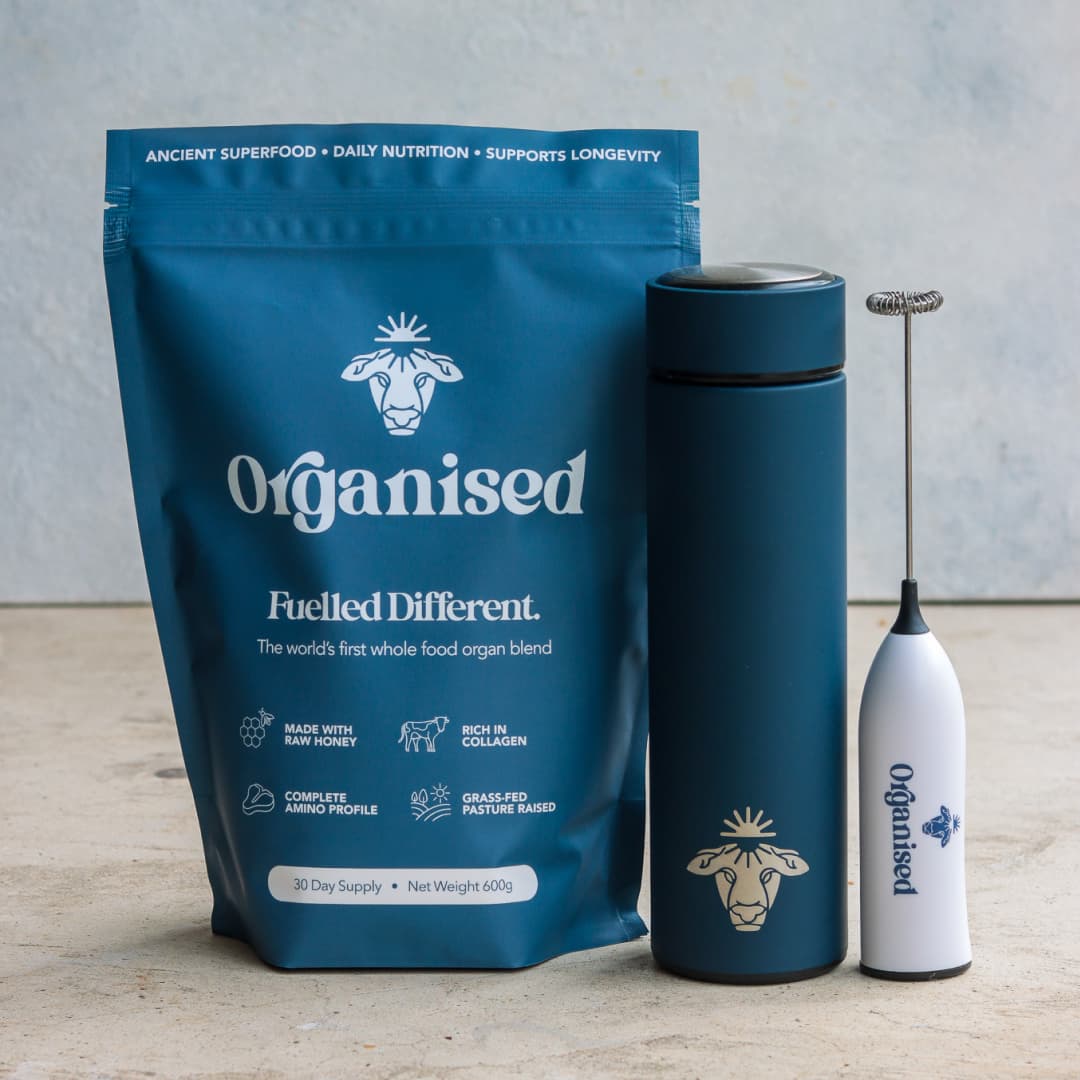
Nourishment, without the taste.
Cooking organs twice a week doesn’t fit every routine. Organised is an organ blend, grass-fed, freeze-dried, nothing else.