Benefits of Beef Organ Supplements: Nature's Multivitamins
Nose‑to‑tail isn’t a trend; it’s a blueprint. Beef organ supplements simply make that blueprint easier to live, just the dense nutrition of organs in a format that fits a real week.

By Niall Kiddle, Founder, Organised

Reviewed by Pedro Rodrigues, Agronomist (farming and sourcing only) ·
4 min read · Published · Updated
Makers of the Organised Daily blend, a grass-fed beef organ supplement from regenerative UK farms

This article is general information, not medical advice. Speak to your GP or clinician about your own needs.
What are beef organ supplements?
Real beef organs, carefully dried, milled, either sold as powders or encapsulated.
Here's how they are made:
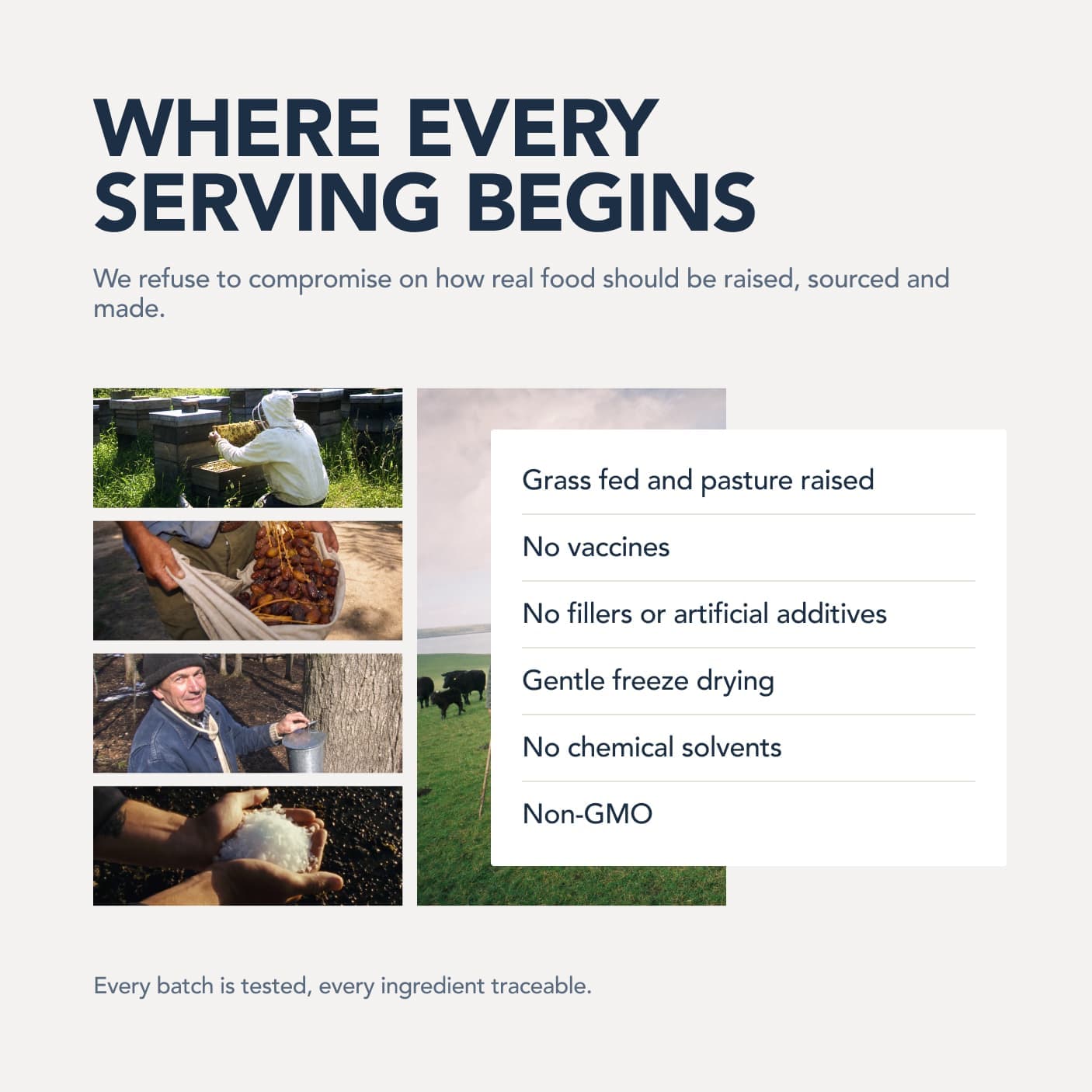
- Source: Beef organs (often liver, heart, kidney; sometimes spleen, pancreas, lung) from cattle that are typically grass‑fed and pasture‑raised.
- Process: Low‑temperature freeze‑drying (to protect heat‑sensitive nutrients) → grinding → encapsulation or powder.
Provided in these formats:
- Single‑organ (e.g., 100% liver) for targeted micronutrients.
- Blends (e.g., liver + heart + kidney + spleen) to mirror “nose‑to‑tail” variety.
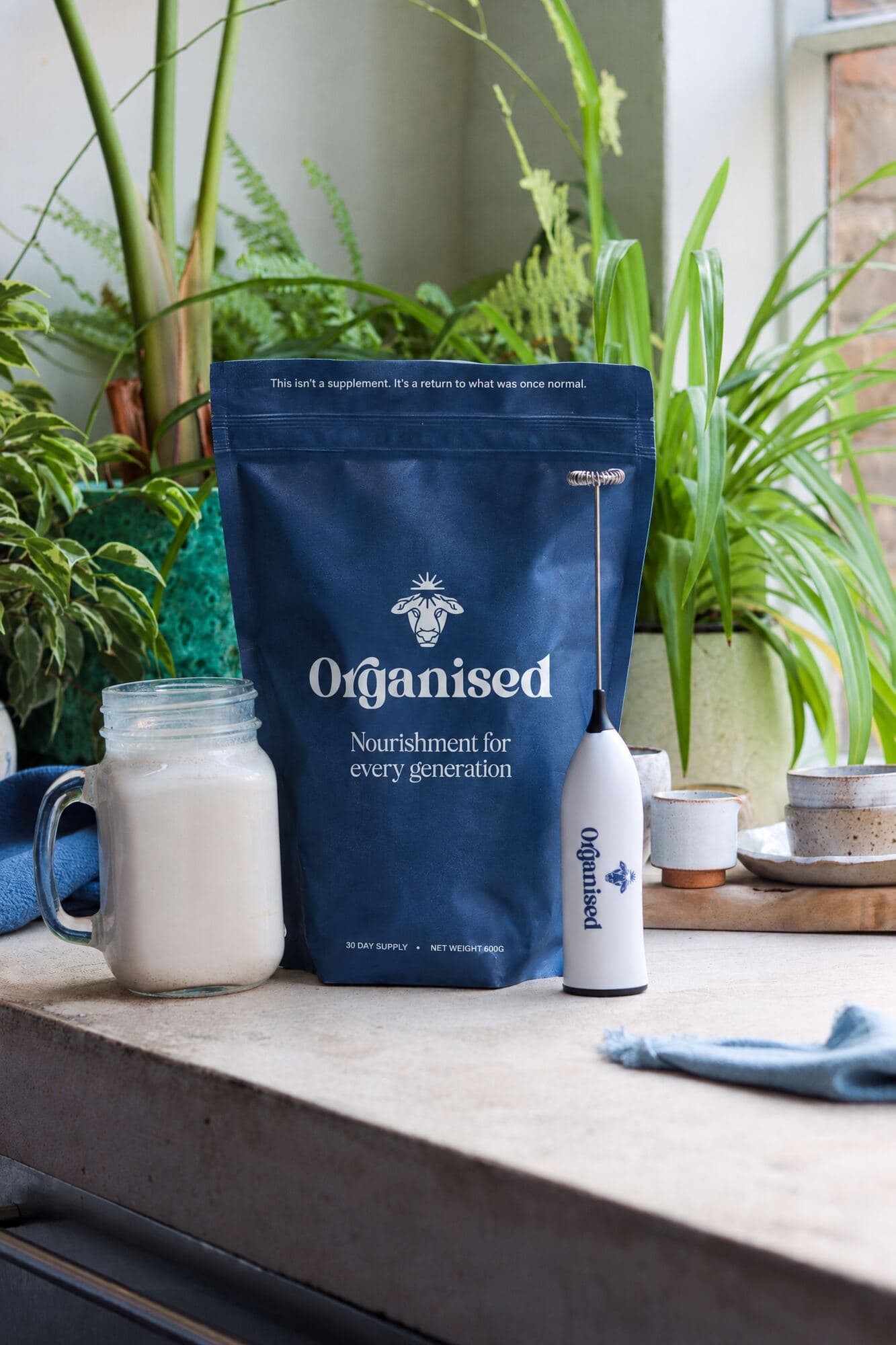
- Powders to stir into smoothies, milk, yoghurt or coffee (the route Organised takes); some brands press theirs into capsules instead.
Why the freeze‑dried route?
It preserves structure and nutrients better than aggressive heat. You’re not taking a synthetic isolate; you’re consuming food, just in a more accessible format.

Benefits of taking beef organ supplements
People are choosing organ capsules and powders for clear, common sense reasons:
Nutrient density without the learning curve
Organs are among the most micronutrient‑dense foods available. Supplements deliver that density without needing to perfect pâté or grill heart skewers on a Tuesday.
Bioavailable forms
Organs contain nutrients in forms the body recognises: heme iron, preformed vitamin A, B12, choline, CoQ10, and bundled with natural cofactors (think copper with iron; riboflavin with B12).
Ancestral variety in a modern routine
Most of us rotate the same muscle meats. A daily blend restores variety the easy way; more like how humans traditionally ate: bones, skin, connective tissue, and organs.
Taste neutrality
Not everyone loves the taste of beef organs. Powders make it easier to mix into everyday meals, whilst still diversifying your micronutrient intake.
Consistency > intensity.
The “benefit” many people feel is simply from doing it regularly. A routine dose of organ foods, however you get them, quietly fills nutritional gaps over time.No miracles claimed here, just a practical way to bring nose‑to‑tail eating into the rhythms of normal life.

How to choose quality: grades, grazing, regeneration & rigorous testing
Not all organ supplements are created equal. Use this checklist when comparing brands:
Animal & land standards
- Grass‑fed / pasture‑raised (ideally grass‑finished): You’re looking for animals raised on pasture, not feedlots. Better fatty‑acid profiles, higher fat‑soluble vitamins, and a farming system that respects the animal.
- Regenerative or holistic grazing: Prioritises soil health, biodiversity, water cycles, and carbon sequestration. If a brand references its farm partners, look for evidence of rotational grazing and soil‑first practices.
- Freeze‑dried (not high‑heat): Protects heat‑sensitive nutrients (e.g., vitamin A, some peptides).
Independent testing (non‑negotiable)
Ask to see real numbers (ideally a Certificate of Analysis for your batch). At minimum:- Heavy metals: ICP‑MS testing for arsenic (As), cadmium (Cd), lead (Pb), and mercury (Hg). Brands should state they meet strict limits and provide results on request.
- Microbial safety: Total plate count, yeast/mould, and pathogen screens (e.g., Salmonella spp., E. coli O157:H7, Staphylococcus aureus) performed to food‑grade standards.
Bottom line: Fewer ingredients, more transparency, verified testing.

Get ingredient guides like this, free
Two short reads a week on the ingredients that matter and how to actually use them.
Unsubscribe anytime.
Micronutrient map: what each beef organ naturally contains
Below is a high‑level view of common organs and their standout nutrients. It’s not exhaustive, but it’s a good compass for understanding why people mix and match.
Beef Liver
Preformed vitamin A (retinol), B12, folate, choline, heme iron, and copper; the classic “food-form multivitamin” with dense fat-soluble vitamins.
Beef Heart
CoQ10 alongside B12 and riboflavin (B2), plus zinc, selenium, and connective-tissue peptides (collagen/elastin).
Beef Kidney
Selenium-rich with B12 and riboflavin, supportive minerals (zinc, iron in heme form), and peptide fractions from filtration tissue.
Beef Spleen
Heme iron in high amounts with copper (the iron cofactor) and a small but notable natural vitamin C contribution, plus B-vitamins.
Beef Lung
Collagen-building amino acids (glycine, proline) and elastin peptides; one of the few meats with natural vitamin C; plus heme iron for oxygen transport.
How to use this map
- If you want maximum density: liver + heart is a time‑tested pairing.
- For a broader nutrient net: a blend with liver, heart, kidney, lung and spleen (like Organised) covers many bases found in traditional diets.





1 of 9
Daily blend
200,000+ thriving families4.9 on Trustpilot
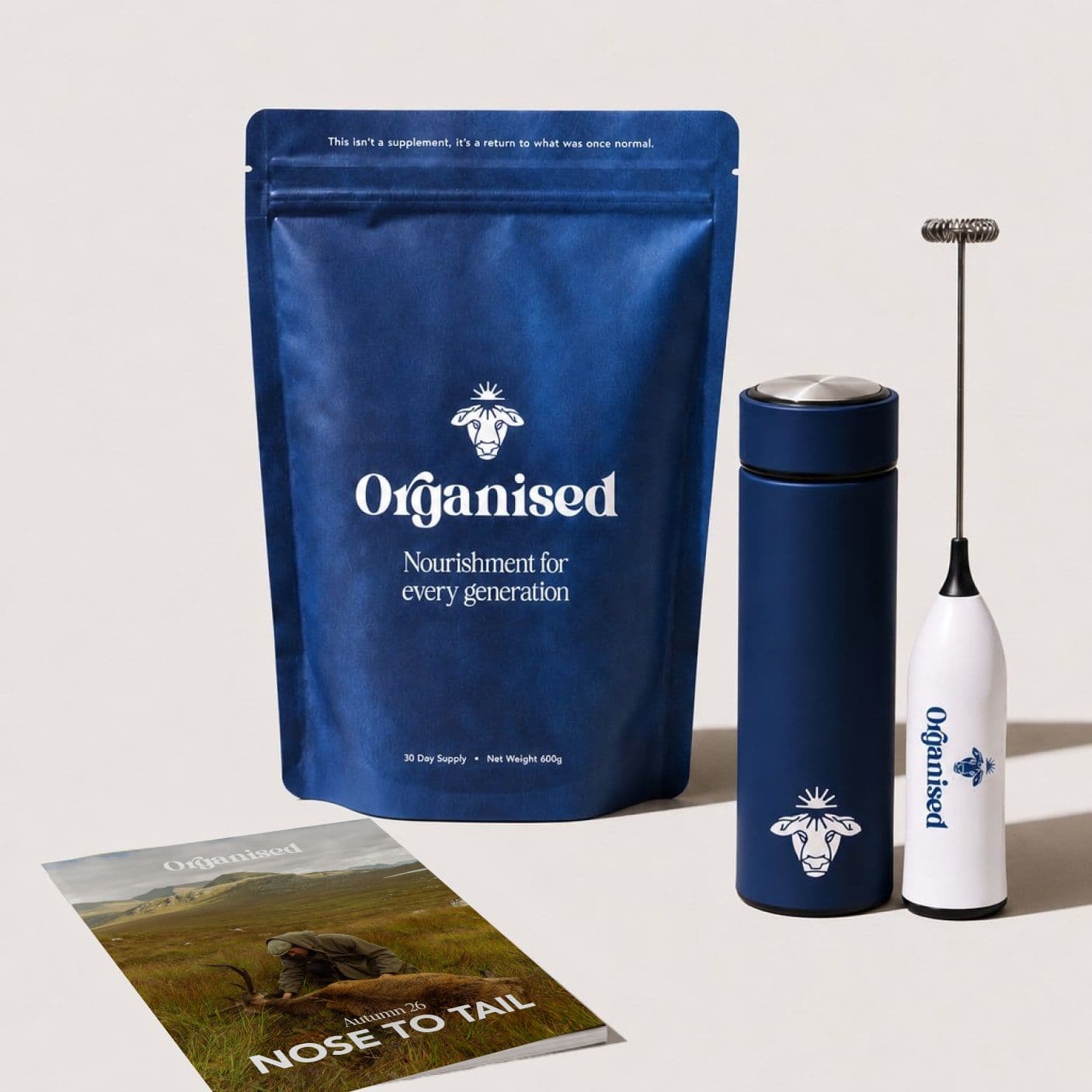
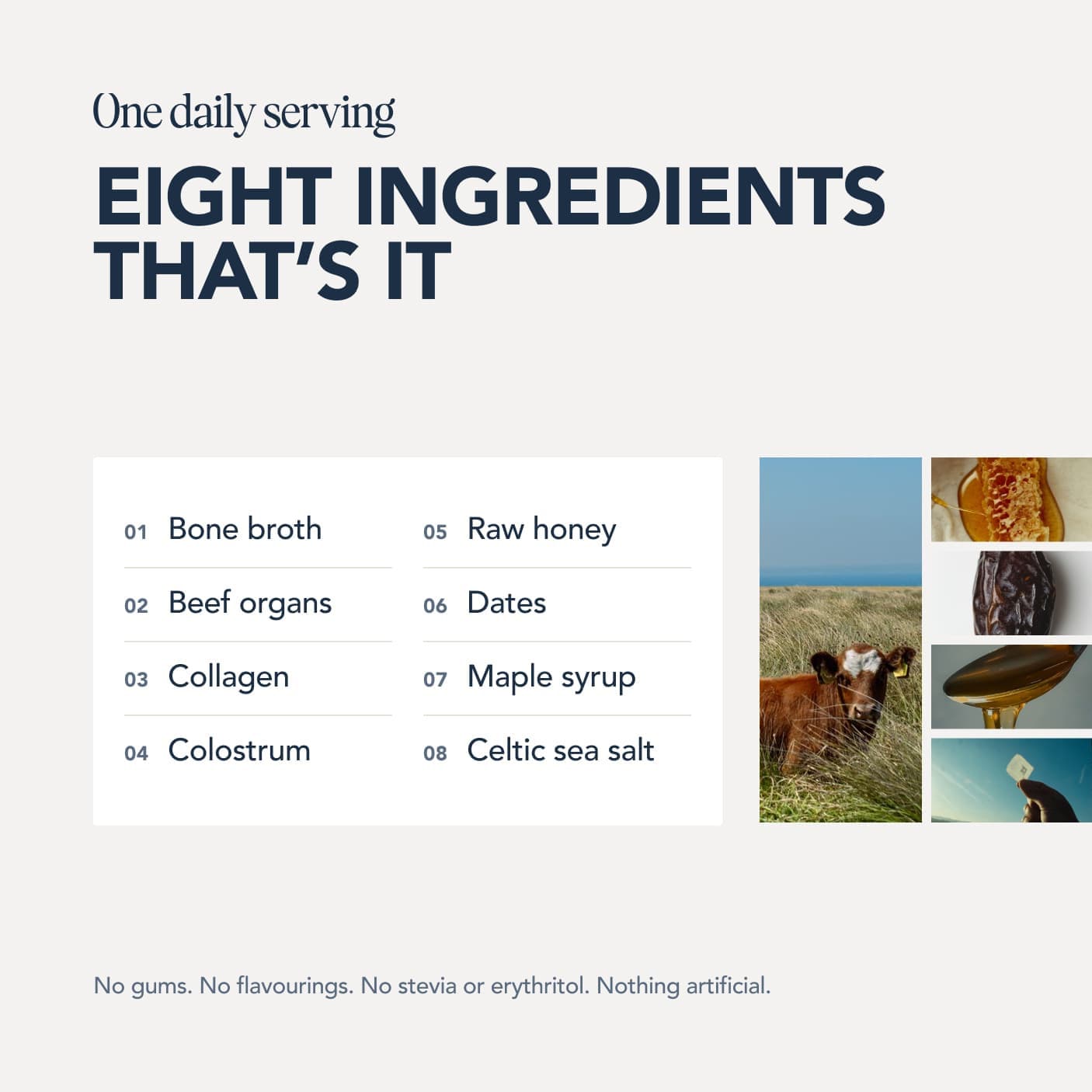
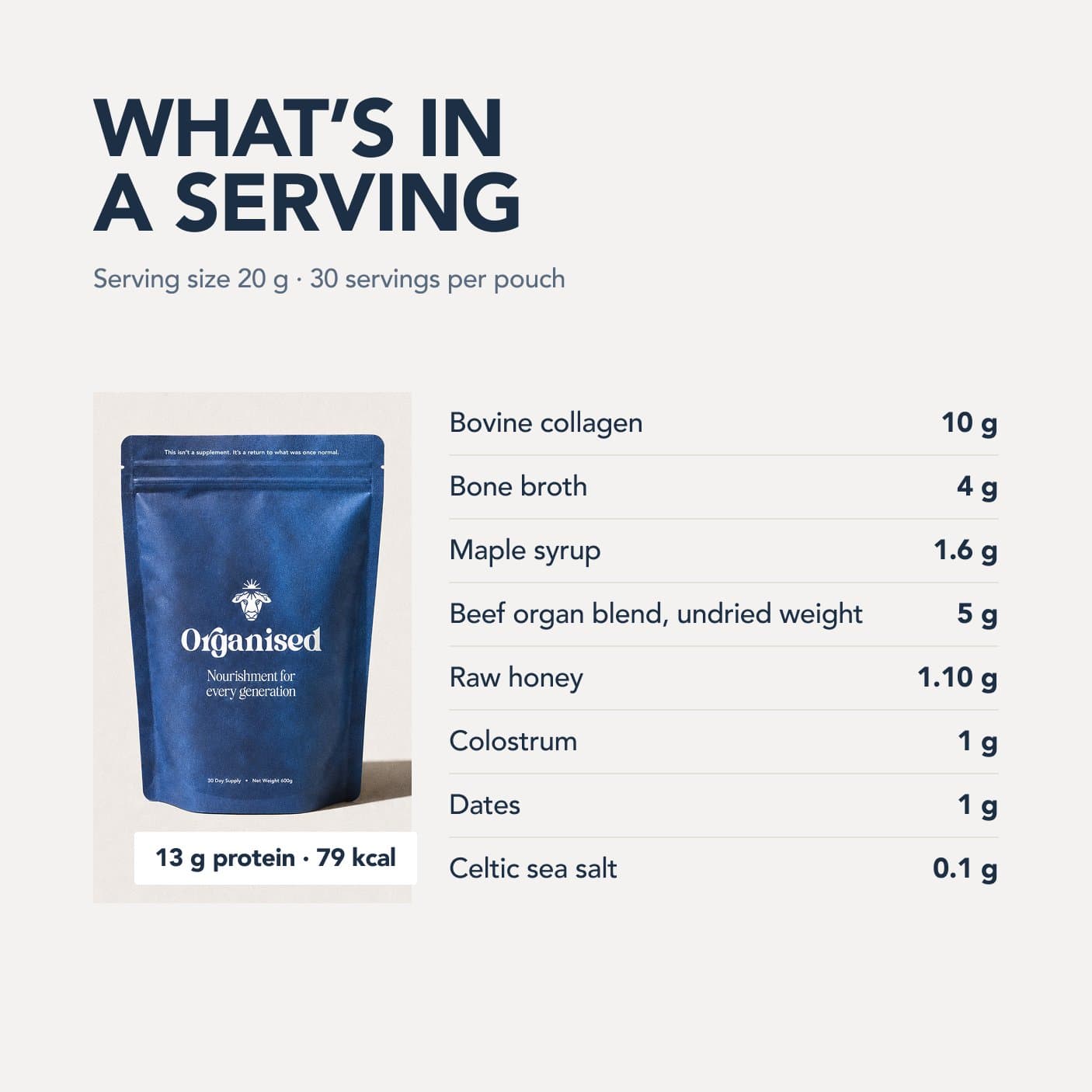
Eight real ingredients built around grass-fed beef organs, collagen and colostrum. Nothing synthetic added.
Free with your first order, worth £38. Plus £10 off the pouch with a subscription.



Free UK shipping · Made in England · 100 day money back guarantee on your first pouch · Skip, pause or cancel anytime
Quick answers to the most common questions
Are beef organ supplements the same as synthetic vitamins?
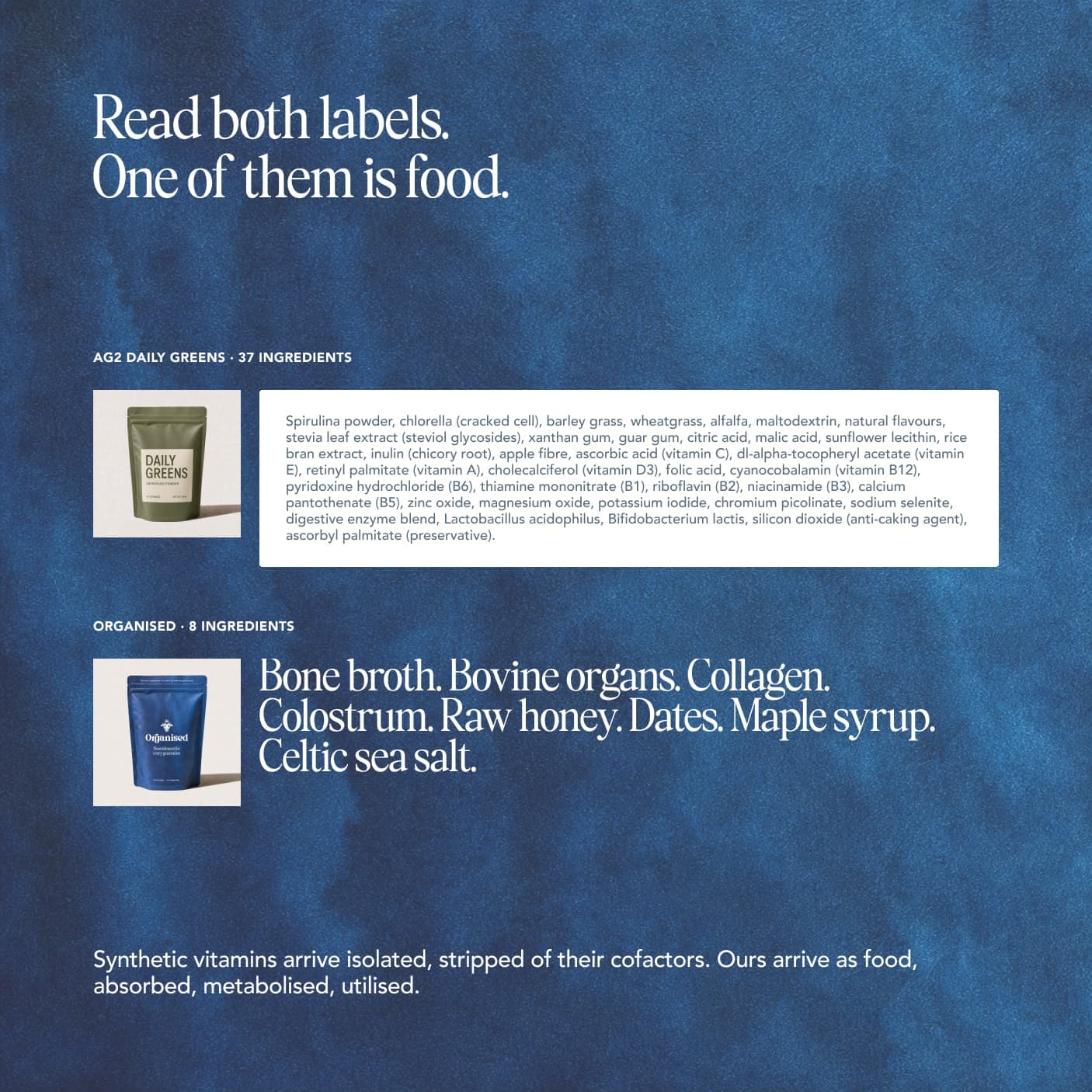
No. They’re whole‑food concentrates, not isolated compounds. You’re getting nutrients plus their natural cofactors and peptides in a food matrix.
Liver has a lot of vitamin A, should I worry?
Preformed vitamin A is potent, which is why dose awareness matters. Be especially careful if you are pregnant. You can read our Beef Organ Supplements and Pregnancy Guide for further info. Read labels, consider your diet as a whole (e.g., other vitamin‑A‑rich foods), and follow the serving guidance provided by the brand.Grass‑fed vs grass‑finished, does it matter?
“Grass‑finished” means the animal ate grass (not grain) right up to harvest; it’s a stronger signal for pasture‑based management. Both terms are useful, but “finished” offers extra clarity.What about heavy metals in organ supplements?
Reputable brands test every lot with ICP‑MS and make results available. If you can’t see numbers, ask. No COA, no purchase.Can I take multiple organs at once?
Many people prefer blends for convenience and coverage. Start with label servings, introduce gradually, and pay attention to how you feel.Capsules or powder, any difference?
Same ingredients in principle; choose the format you’ll actually use daily. Organised is a powder, because a powder can become part of a meal. You can add Organised to smoothies, sweet treats or sauces for richer, deeper flavours. Like in this Beef Organ Bolognese.Are these suitable if I don’t eat red meat?
That’s a personal choice. Organ supplements are still animal products. If you include them, prioritise traceability and testing, and honour your ethics and body.
How long until I “notice” anything?
This is food, not fireworks. The real “benefit” is often quiet: staying nourished day after day.Who wrote and reviewed this guide
Who wrote and reviewed this guide
Niall Kiddle
Author · Founder, Organised
Niall is the founder of Organised. He started the company in 2024 after fixing his own health the slow way: in 2022 he swapped a cupboard of synthetic supplements for real food, raw milk, organ meats, bone broth and honey, and felt the difference within months.
Areas of expertise: Ancestral nutrition, Organ meats, Whole-food supplementation, Gut health, Regenerative sourcing
Read Niall's full profile
Pedro Rodrigues
Reviewer · Agronomist (farming and sourcing only)
Pedro is the agronomist Organised works with on farming and sourcing. His job on the guides is to keep the science honest: he reviews what we publish about soil health, regenerative agriculture, grazing and the way food is actually produced.
Areas of expertise: Regenerative agriculture, Agronomy, Soil health, Grass-fed farming, Food sourcing
Reviewed this guide on
Read Pedro's full profileMore on beef organs
View allMore on beef organs
View all- The Complete Guide to Beef Organ Supplements
- Are Beef Organs Safe? Everything You Need to Know
- Beef Heart: The Organ Your Mitochondria Have Been Waiting For
- Beef Lung: What It Contains and Why It Matters
- Choline: The Essential Nutrient Almost Nobody Gets Enough Of
- Freeze-Dried vs Fresh Organs: Does the Method Matter?
- How Much Vitamin A Is in Beef Liver? (And Is It Too Much?)
- Is Beef Liver Good for You? 7 Benefits of Eating Beef Liver
- Spleen: The Forgotten Organ That Powers Your Immune System
- The Nutrients You Can Only Get from Organ Meats
- What Does Beef Liver Actually Do for Your Body?
- Why Beef Kidney Deserves a Place in Your Daily Routine
Browse the guides library
All guidesBrowse the guides library
All guidesKeep reading
Ingredients
Collagen Supplements on Reddit: Do They Actually Work?
What Reddit really says about collagen supplements, from r/Supplements to r/SkincareAddiction, checked against the actual evidence on skin, joints and dosing.
Ingredients
Why We Stopped Being Afraid of Salt (And You Should Too)
The war on salt was built on flawed research. Your body needs sodium. Here's why quality salt matters and how to get your mineral balance right.
Ingredients
Colostrum vs Probiotics: Do You Need Both?
Understanding the difference between colostrum and probiotics. Learn whether you need both and how to use them together.
Real food, made easy
Try the organ blendA few ways to use it
All recipesA few ways to use it
All recipes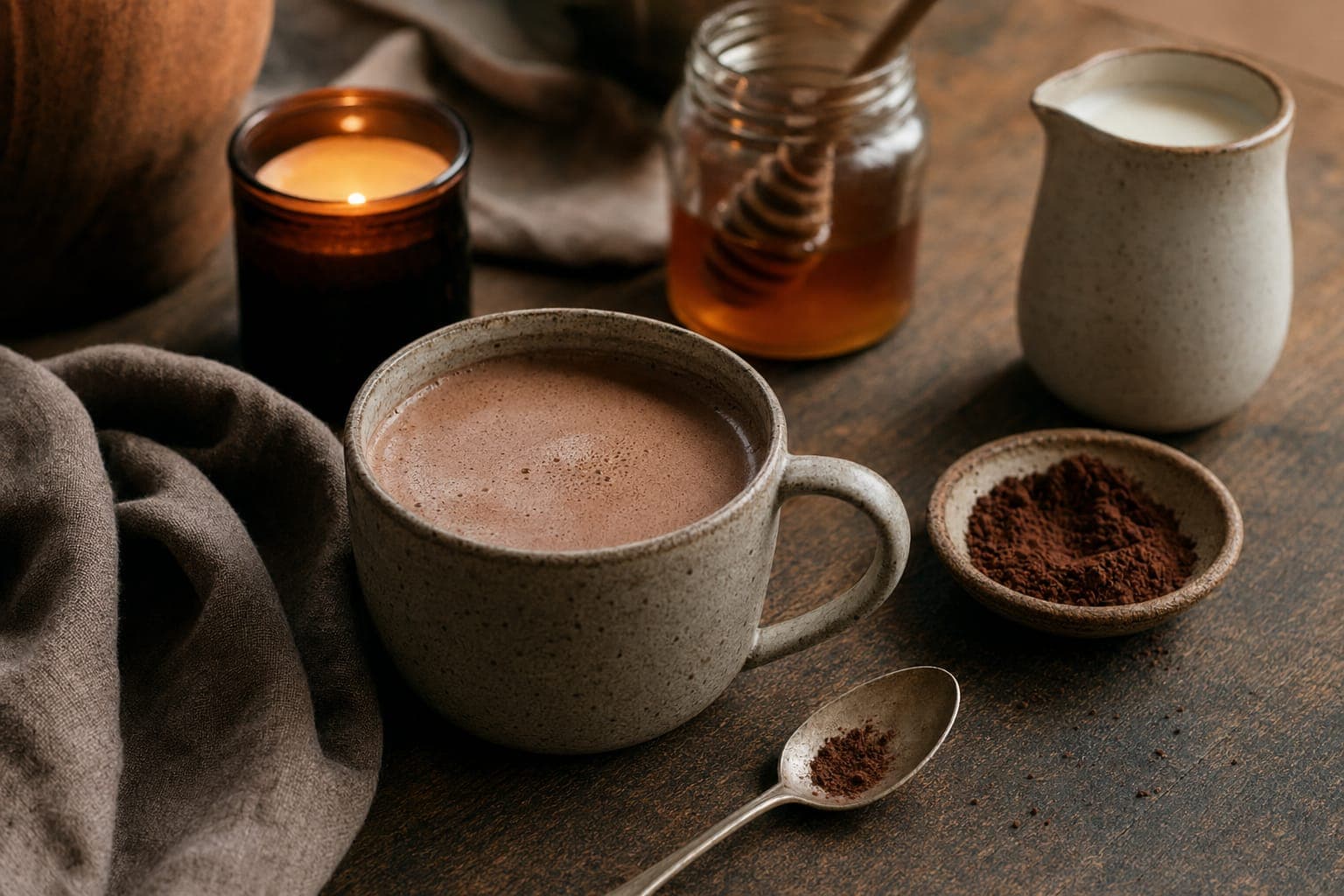
Raw Milk Hot Chocolate with Collagen
A nourishing evening hot chocolate made with raw milk, grass-fed collagen, raw cacao, and honey. A nighttime ritual that supports sleep and gut health.
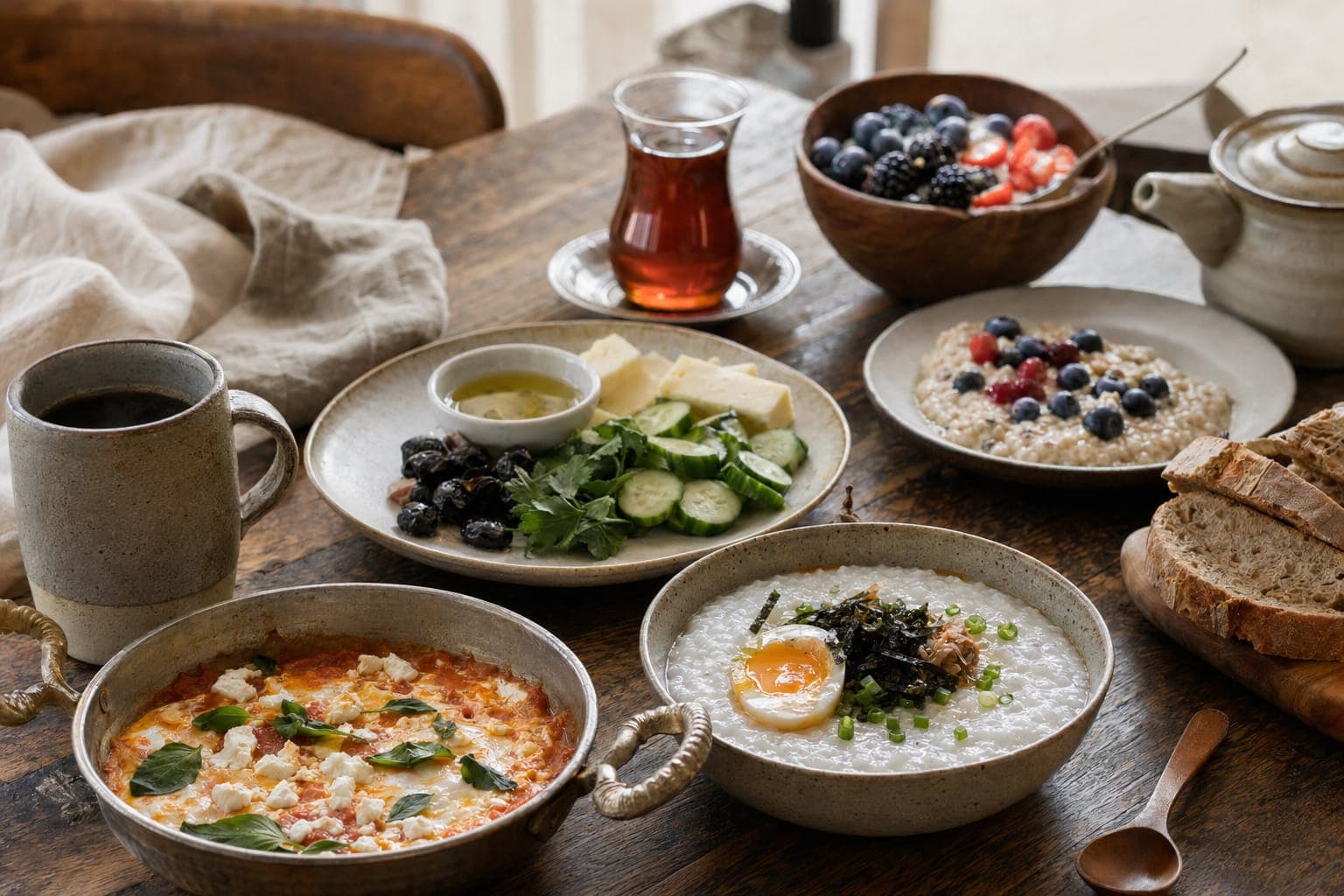
Ancestral Breakfast Ideas from Around the World
Traditional breakfast recipes from cultures that got nutrition right. Japanese, Turkish, Scottish, and more. Whole-food breakfast inspiration.
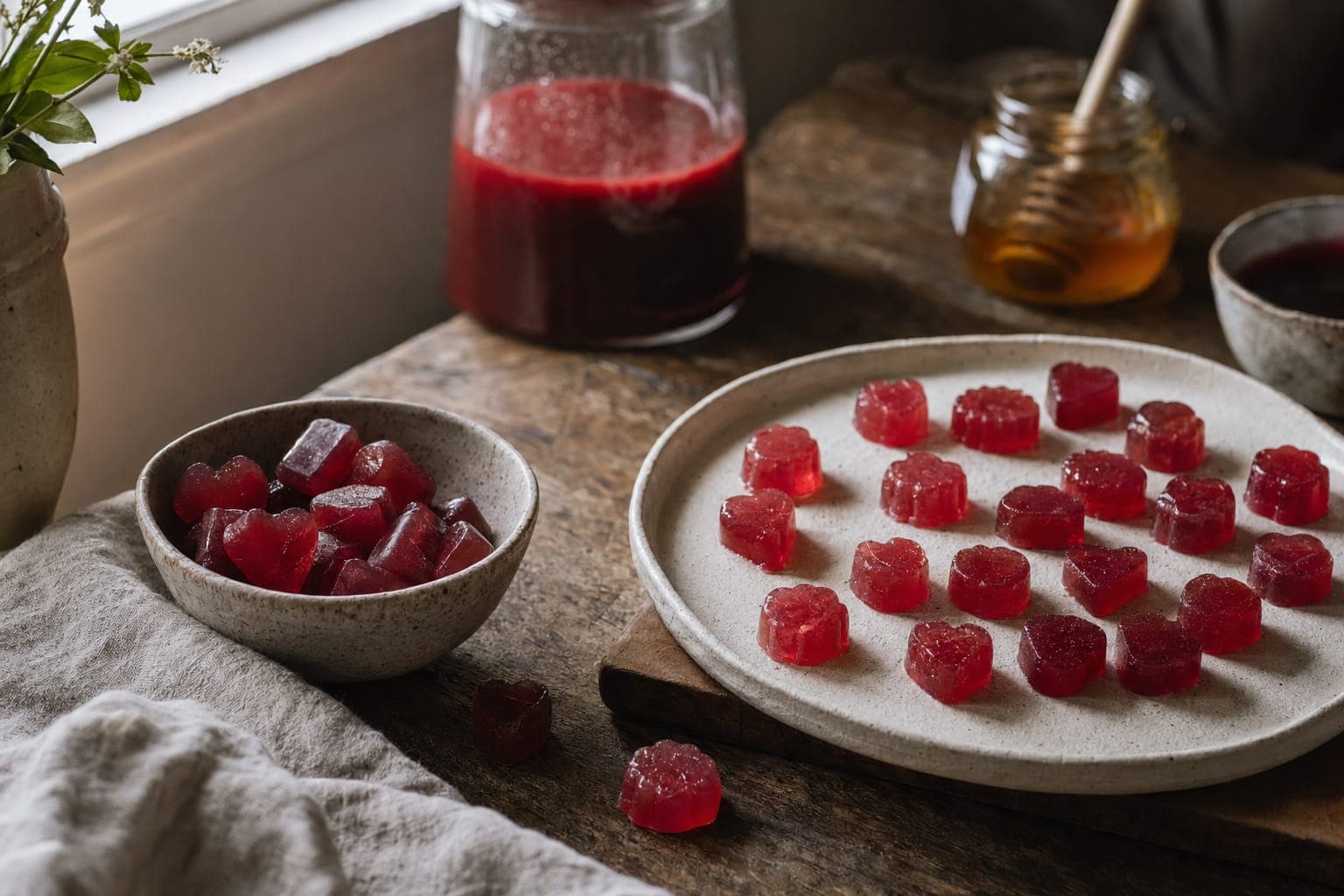
How to Make Your Own Gelatine Gummies
A simple recipe for homemade gelatine gummies using grass-fed gelatine, fresh juice, and raw honey. Better than shop-bought, kids love them.


 Join over 200,000+ members
Build a better food system with us
The Organised community is thousands of people choosing real food and backing the farmers who grow it, all of us trying to leave the world a little better than we found it. If that is what you care about too, you belong here.